
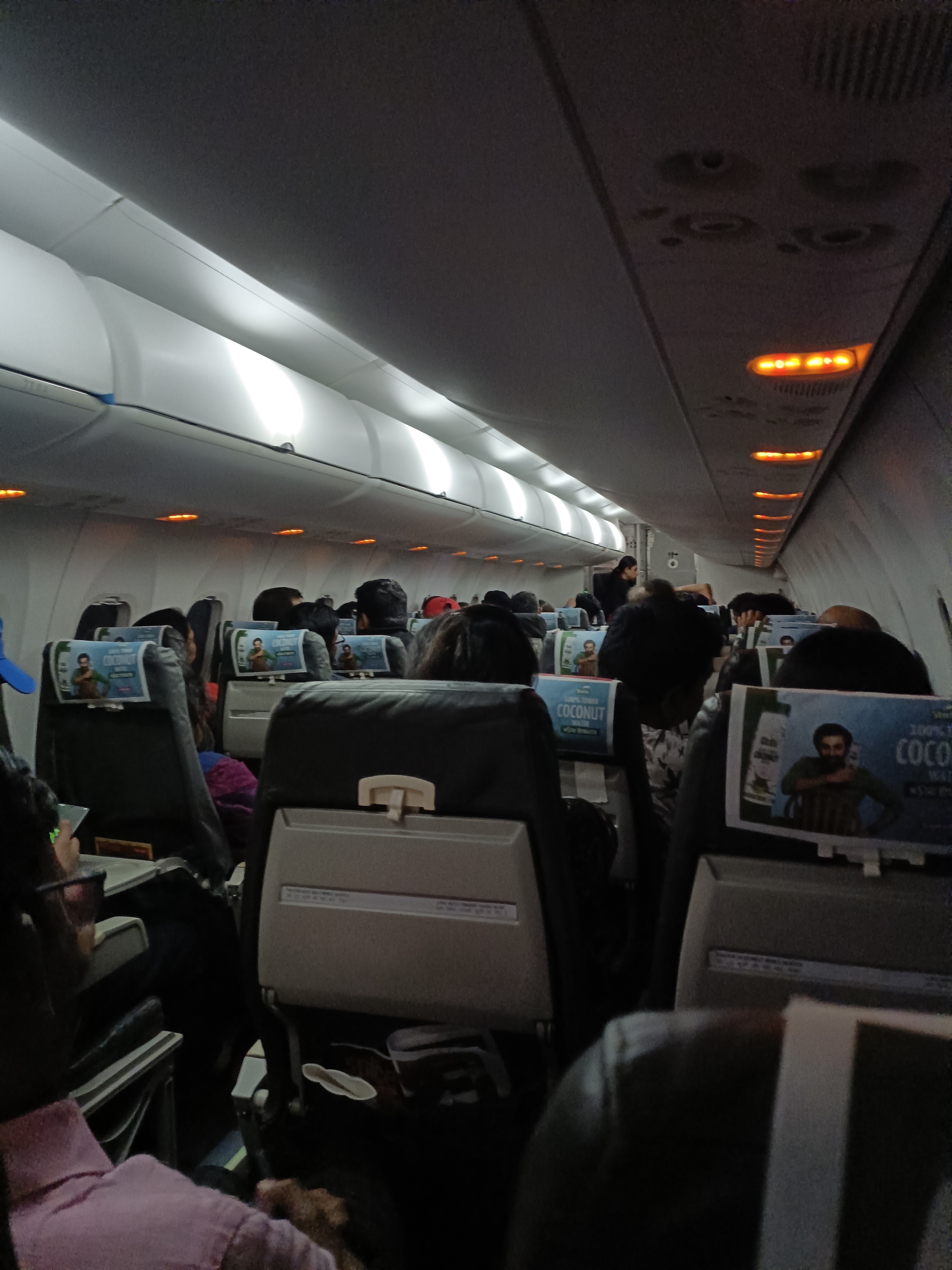
The main reason for dimming or turning off the cabin lights during takeoff and landing is to ensure passenger safety in the event of an emergency. Here are a few reasons behind this practice:
- Vision Adjustment: During takeoff and landing, the cabin crew may need to evacuate passengers quickly in case of an emergency. By dimming the cabin lights or turning them off, passengers’ eyes can adjust to the darkness, allowing them to see better in case of a sudden loss of power or visibility.
- Emergency Situations: If an emergency occurs during takeoff or landing, such as an evacuation or an aborted takeoff, it’s essential for passengers to be able to see clearly outside the aircraft. External lighting, such as emergency lights on the wings and runway lights, can guide passengers to safety.
- Visual Clarity: The cabin lights are dimmed to enhance the contrast between the outside environment and any emergency lighting or exit signs inside the aircraft. This contrast makes it easier for passengers to locate emergency exits and follow the evacuation procedures.
- Nighttime Landings: During nighttime landings, particularly in low-light conditions, turning off or dimming the cabin lights helps prevent distractions that could interfere with the pilot’s visibility of the runway lights or instruments.
It’s important to note that these procedures may vary among airlines and different regulatory bodies. Cabin crew members undergo extensive training to ensure they can handle various emergency situations, including evacuations in low-light conditions.
 16SQUARE
Leave a comment