
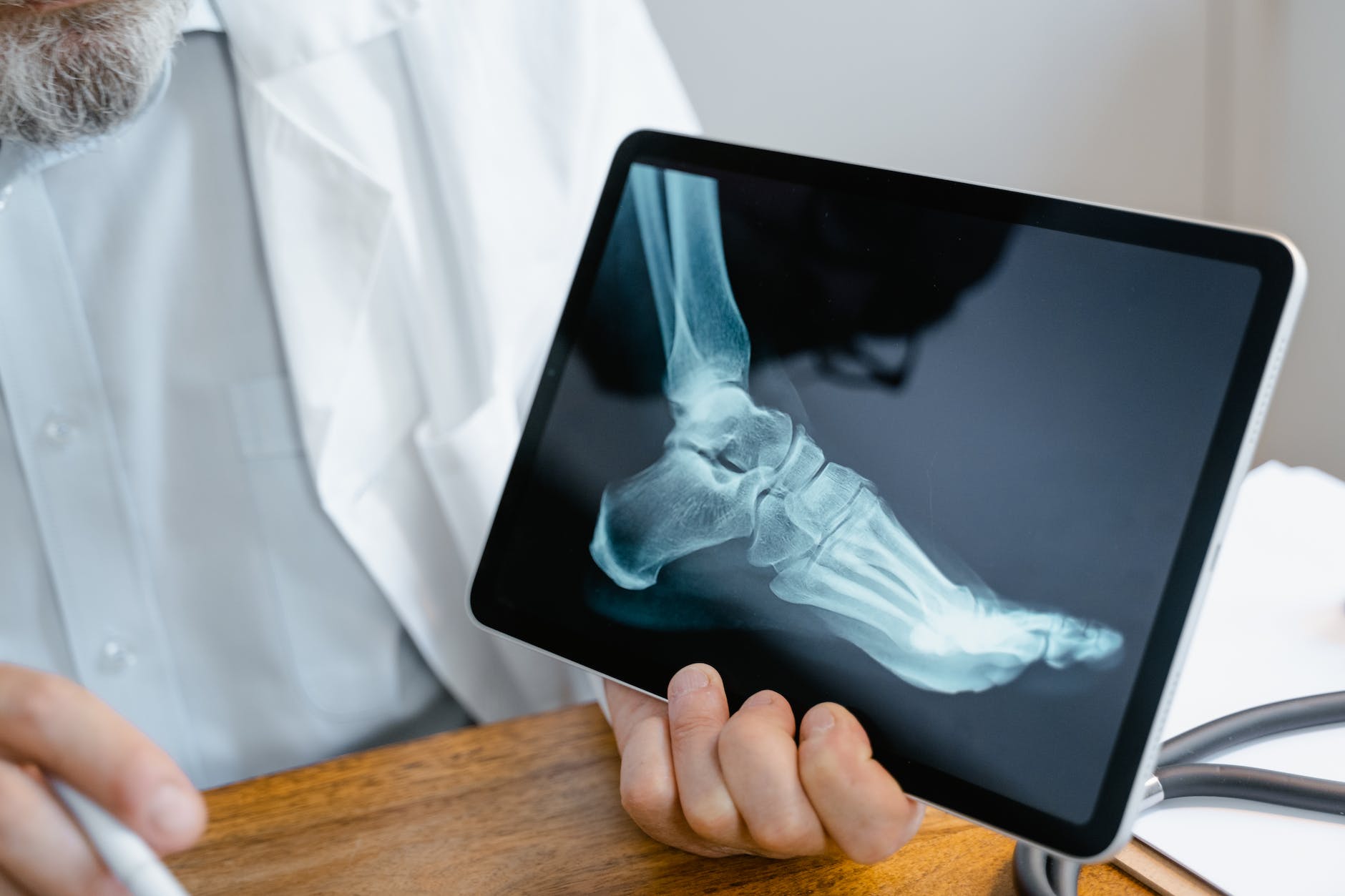
There are several habits that can potentially damage bone health. Here are a few examples:
- Sedentary Lifestyle: Lack of physical activity or prolonged periods of inactivity can weaken bones over time. Weight-bearing exercises like walking, jogging, or weightlifting are beneficial for maintaining bone density.
- Poor Nutrition: A diet lacking in essential nutrients like calcium, vitamin D, and vitamin K can compromise bone health. Calcium is a crucial mineral for bone strength, while vitamin D helps with calcium absorption. Vitamin K plays a role in bone formation.
- Smoking: Smoking tobacco has been linked to decreased bone density and an increased risk of fractures. It also interferes with the absorption of calcium and affects the hormonal balance necessary for maintaining healthy bones.
- Excessive Alcohol Consumption: Heavy alcohol consumption can hinder the body’s ability to absorb calcium, leading to reduced bone density. It also affects the production of hormones essential for bone health.
- Caffeine Overconsumption: While moderate caffeine intake is generally safe, excessive consumption may negatively impact bone health. High caffeine intake has been associated with increased calcium excretion, which can weaken bones over time.
- Lack of Sunlight Exposure: Vitamin D, crucial for calcium absorption, is synthesized in the skin upon exposure to sunlight. Insufficient sunlight exposure may lead to vitamin D deficiency and affect bone health.
- Crash Dieting or Eating Disorders: Severely restricting caloric intake or having eating disorders like anorexia nervosa can lead to nutrient deficiencies, including calcium and vitamin D. This can compromise bone health and increase the risk of fractures.
- Chronic Stress: Prolonged stress can affect bone health through various mechanisms, including hormone imbalances and decreased bone formation.
It’s important to note that bone health is influenced by a combination of factors, including genetics, age, and medical conditions. Leading a healthy lifestyle, including a balanced diet, regular exercise, and avoiding harmful habits, can help promote and maintain optimal bone health. If you have concerns about your bone health, it’s best to consult with a healthcare professional.
 16SQUARE
Leave a comment