
What’s the one luxury you can’t live without?
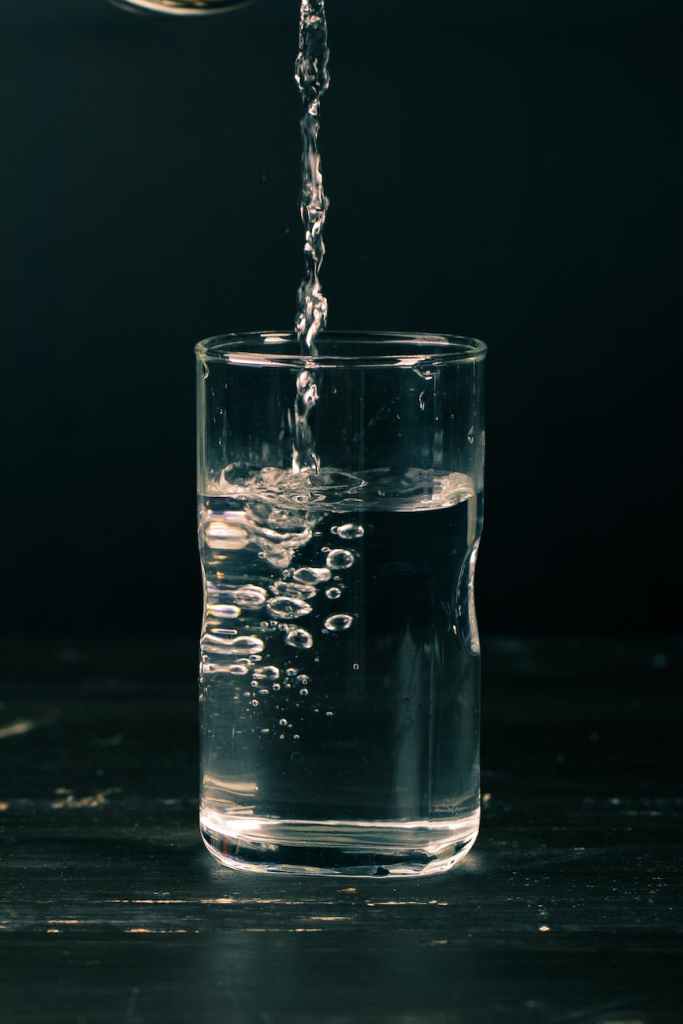
One luxury that many people consider indispensable is access to clean and reliable drinking water. While it may not be immediately associated with traditional notions of luxury, having easy access to safe and high-quality water is essential for daily life and overall well-being. This luxury encompasses more than just the basic need for hydration; it includes water for cooking, sanitation, and personal hygiene.
Access to clean water is crucial for maintaining good health and preventing waterborne diseases. In many parts of the world, people struggle to find safe drinking water, and their health and quality of life are severely affected as a result. Having a reliable supply of clean water at your disposal is something that many individuals take for granted but is considered a luxury for millions.
In developed countries, water treatment and distribution systems have made clean water easily accessible. However, even in these areas, infrastructure issues or natural disasters can disrupt the water supply temporarily, reminding us of the value of this essential luxury.
Additionally, the luxury of clean water extends beyond its necessity for survival. Water plays a significant role in various aspects of life, from personal care routines to recreational activities. Being able to indulge in a long, hot shower or relax in a refreshing pool or spa is often regarded as a luxury experience.
Can water be a luxury thing?
Yes, water can be considered a luxury item in certain contexts. While water is a basic necessity for human survival and is generally available to most people, there are situations where access to clean and safe water can be limited or restricted, leading to it being treated as a luxury.
Here are a few examples:
- Bottled Water: In many parts of the world, tap water may not be safe to drink or may have an unpleasant taste or odor. As a result, people rely on bottled water for drinking and cooking purposes. Bottled water, especially premium or specialized brands, can be expensive and considered a luxury item.
- Water scarcity: In regions affected by water scarcity or drought, obtaining sufficient water for daily needs can be challenging. In such cases, water may need to be imported or acquired through complex infrastructure, desalination plants, or other means. These additional costs and efforts can make water a luxury commodity for those who can afford it.
- Exclusive water sources: Some luxury resorts, hotels, or restaurants may offer water sourced from remote or pristine locations, claiming unique qualities or flavors. These specialty waters are often priced at a premium, targeting consumers seeking a luxurious experience.
- Water features and amenities: In affluent settings, water can be a symbol of luxury and status. Elaborate water features, such as decorative fountains, swimming pools, or spas, require significant resources for construction, operation, and maintenance, making them accessible primarily to those with financial means.
However, it is important to note that access to clean and safe water is a fundamental human right, and efforts should be made to ensure affordable and equitable access for all individuals, regardless of their socioeconomic status.
Overall, access to clean and reliable drinking water is a luxury that we should appreciate and ensure is available to everyone, as it is a fundamental necessity for a healthy and fulfilling life.
 16SQUARE
Leave a comment